
Each year Cambridgeshire County Council awards small grants to Cambridgeshire’s Accredited museums. The funding is from Cambridgeshire County Council, the ACE (Arts Council England) Museum Development Programme for the East and South East of England through MDSE.
In 2024-25 grants were up to £750 and were allocated in one round and projects were completed by March 2025. Cambridgeshire County Council, ACE and MDSE were keen to continue to support the Arts Council’s 4 Investment Principles. A total of 12 awards were made, with total value of over £7000. The projects varied from creating children’s sensory backpacks, energy efficient lighting, development of an online guide app, to dressing up clothing.
Here is a snapshot of some of the successful projects from 2024-25.
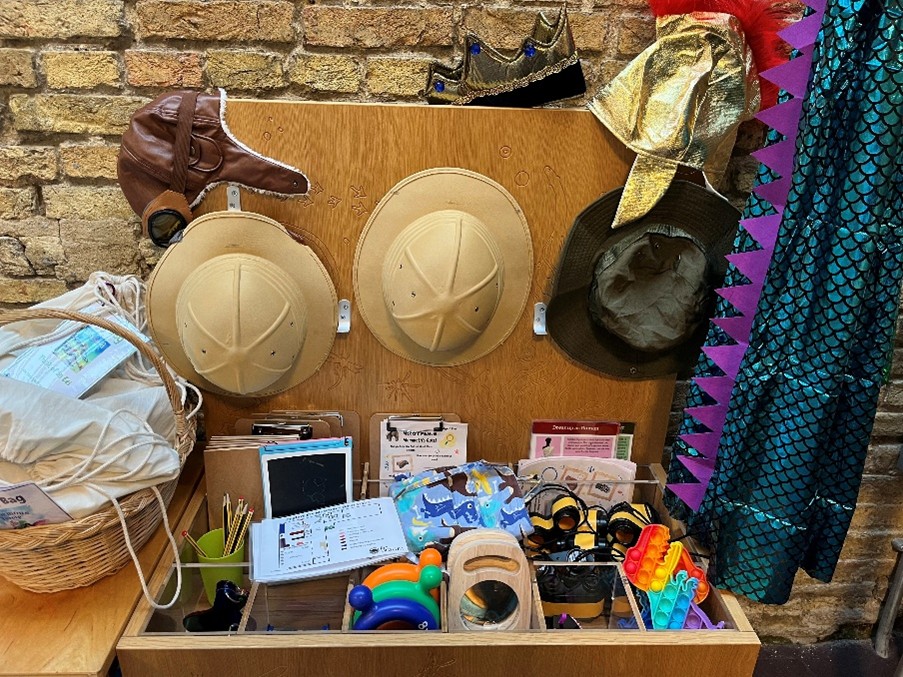
1. Ely Museum – Upgrade contents of the museum’s Explorers’ Chest
A small grant was awarded to re-stock the museum’s Explorers’ Chest which is located in the museum entrance. The Explorers’ Chest is specifically designed for children, to support their engagement in the museum collections, to spark conversation and imagination. Visitors are encouraged to take what they would like to help them enjoy their visit to the museum. The chest was well-used, so some items became broken or lost and needed replacing. The items vary from noise cancelling headphones, fidget togs and timers to magnifying glasses, hats and drawing materials.
2. Stained Glass Museum – New entrance interpretation panels report
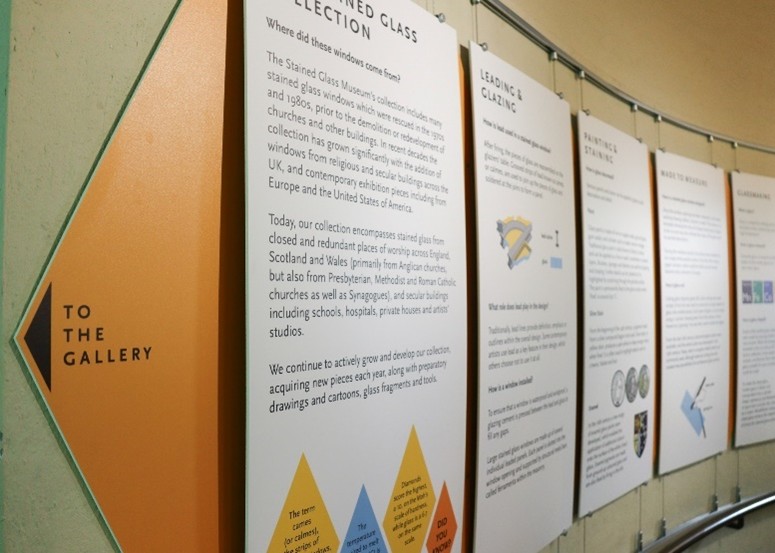
The introductory boards at The Stained Glass Museum, funded by this grant have allowed us to create bright, colourful visitor welcome, have been instrumental in aiding visitor’s understanding, and have prompted further exploration within the museum gallery.
Alongside a welcome board which orientates the visitor and clearly explains the collection and our unique museum, an essential given our location in the triforium of Ely Cathedral, there are five additional introductory interpretation panels. These interpretation panels explain the science of glass making and introduce each stage of making a stained glass window – cutting, painting and leading. The final board explains some commonly asked questions about our collection, and offers some fun ‘did you know’ facts too.
The welcome board signposts visitors to the new, and accessible ways in which they can access the gallery through our free digital guide, hosted by Bloomberg Connects. This offers additional languages and compatibility with screen readers too. Improved way finding signs have also offered a significant improvement to the visitor welcome and orientation.
The new interpretation boards also tie in with the museums updated branding, including gallery labels and marketing materials. This has improved our overall appearance, giving us a colourful and friendly, yet uniformed and cohesive look to our welcome area. It clearly defines the museum as independent from the Cathedral.
The quality of the design and the overall appearance of our welcome area further cement the museums position as a specialist, independent museum with a collection of national significance.
Despite having the new boards up for just a short while, the impact has already been notable. Visitors are engaging with them far more than our previous interpretation boards, which were over 15 years old, and are able to apply their new understanding to the gallery as they explore.
3. Computing History Museum – Creation of sensory bags
The Centre for Computing History is passionate about learning and the role heritage can play in it.
Encouraging visitors to touch, explore and engage directly with exhibits can directly increase the risk of sensory overload and overwhelm, particularly for the 15 – 20% of the UK population who are neurodivergent. Increasing sensory input – in our case this is often lights, sounds and general noise levels – can be problematic and even lead to people cutting their visit short.
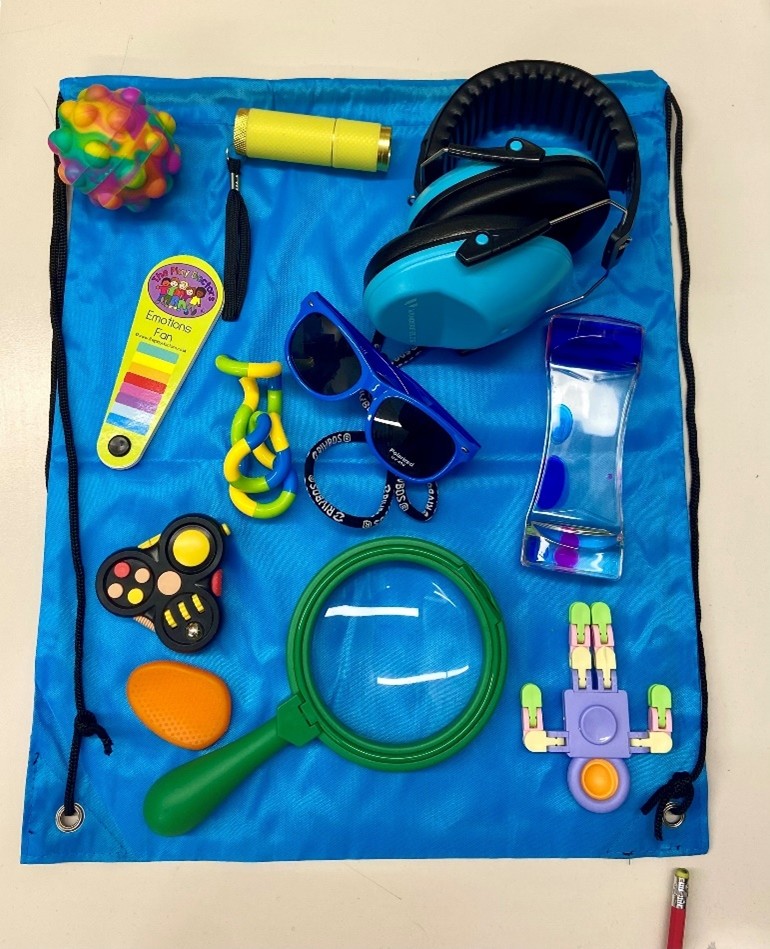
It is essential that museums allow people of all abilities to engage with their collections. In partnership with people with lived experience, we plan to co-design a ‘social story’ for our website, to help people plan their visit and understand what they will encounter here. We will create sensory backpacks, containing items to help those who are neurodivergent enjoy their visit. Each bag may contain ear defenders, magnifying glass, torch, sunglasses, fidget spinner, cuddly toy and visit planner. This is all contained in a drawstring bag, for ease of access.
 Museums in Cambridgeshire